Tween Primes,
the MoMath book club for tweens and teens
Are you a budding mathematician between the ages of 10 and 17 who loves reading? Would you like to make new friends your age who share your passion for mathematics and literature? Join us in person or online for Tween Primes, the MoMath book club for tweens and teens.
_____________
Next up
A discussion of
The Fabulous Fibonacci Numbers
by Alfred S. Posamentier
Hosted by Dr. Arthur Benjamin
Sunday, June 7
5:15 pm to 6:15 pm
(in person+drop-off)
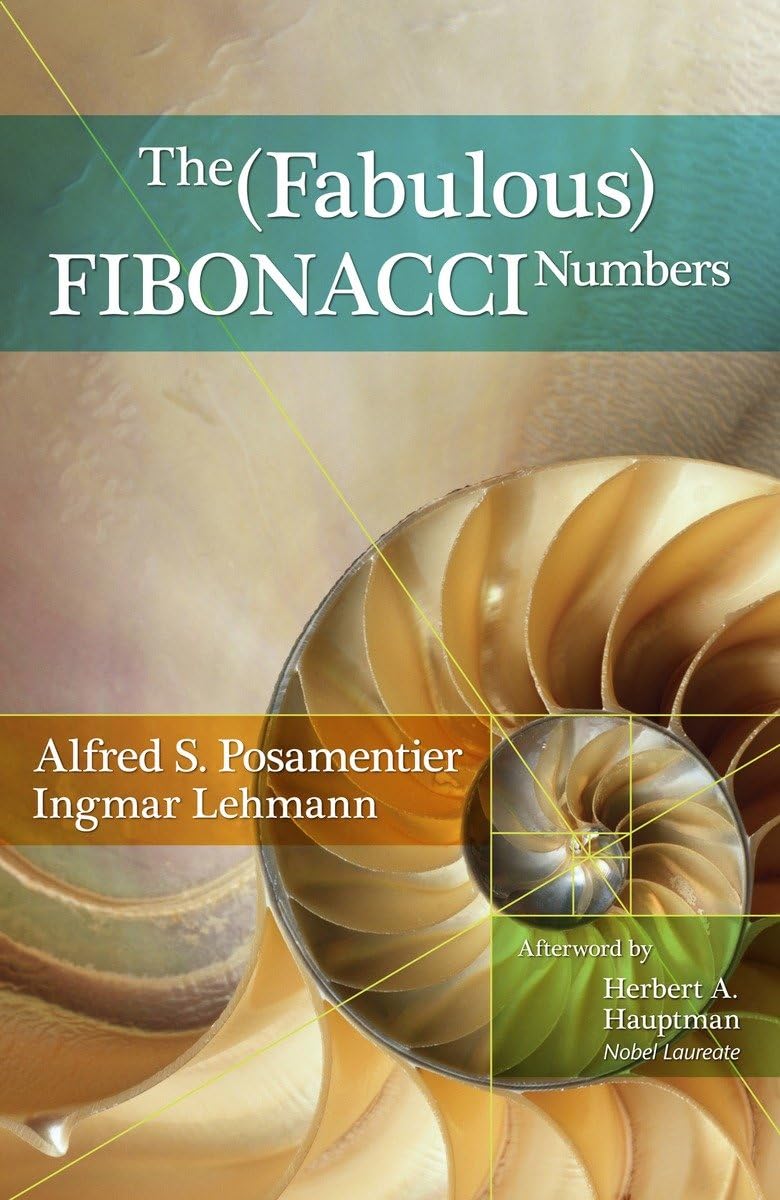
Join host and MoMath’s 2025–2026 Visiting Professor for Public Outreach Dr. Arthur Benjamin for a book club discussion of The Fabulous Fibonacci Numbers by Alfred S. Posamentier.
The most ubiquitous, and perhaps the most intriguing, number pattern in mathematics is the Fibonacci sequence. In this simple pattern beginning with two ones, each succeeding number is the sum of the two numbers immediately preceding it (1, 1, 2, 3, 5, 8, 13, 21, ad infinitum). Far from being just a curiosity, this sequence recurs in structures found throughout nature — from the arrangement of whorls on a pinecone to the branches of certain plant stems. All of which is astounding evidence for the deep mathematical basis of the natural world. With admirable clarity, two veteran math educators take us on a fascinating tour of the many ramifications of the Fibonacci numbers.
_____________
July
A discussion of
More Jokes 4 Mathy Folks
by Patrick Vennebush
Hosted by Dr. Arthur Benjamin
Sunday, July 12
5:15 pm to 6:15 pm
(in person+drop-off)
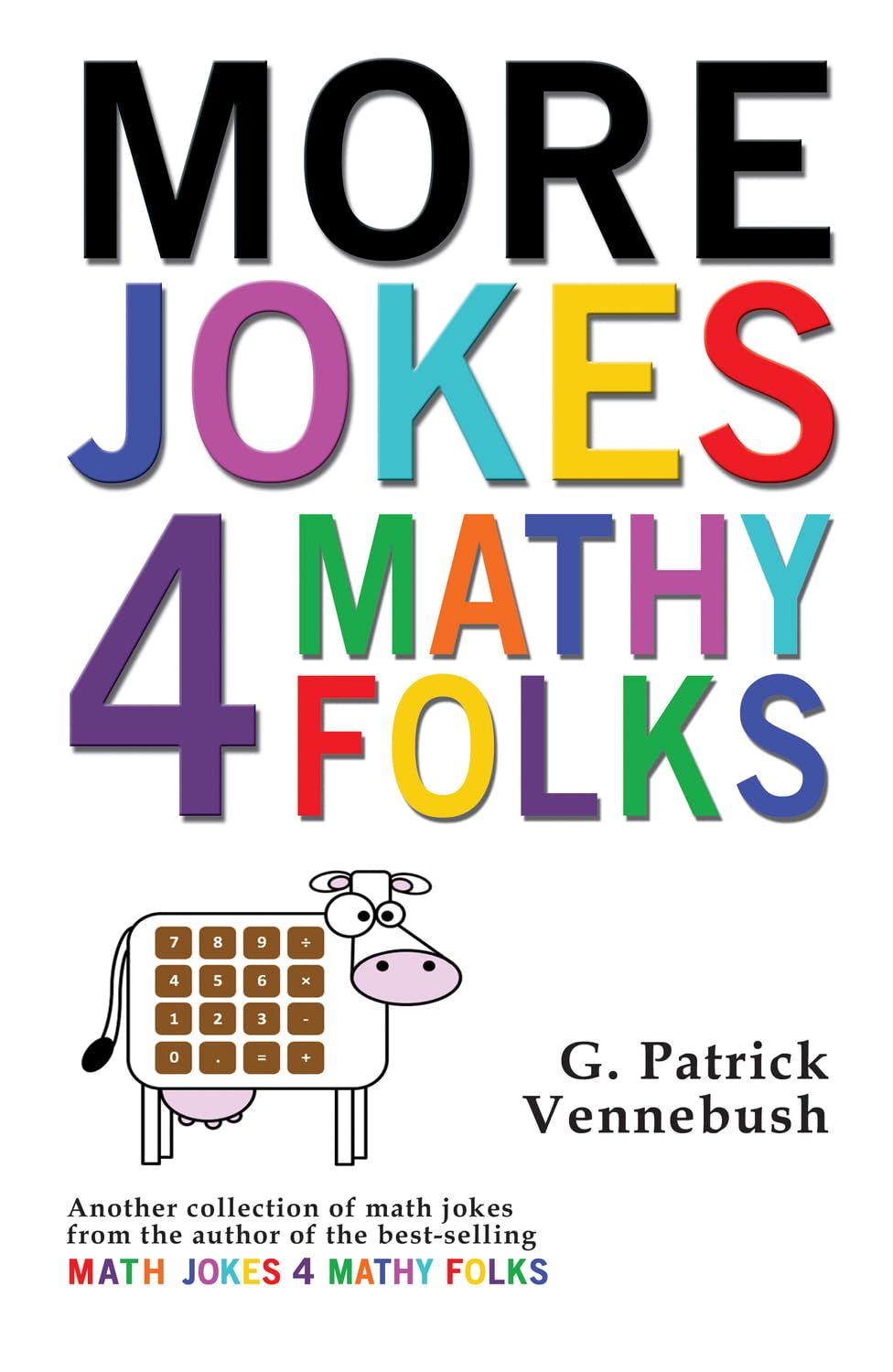
Join host and MoMath’s 2025–2026 Visiting Professor for Public Outreach Dr. Arthur Benjamin for a book club discussion of More Jokes 4 Mathy Folks by Patrick Vennebush.
Who says math can’t be funny? In More Jokes 4 Mathy Folks, as in Math Jokes 4 Mathy Folks, Patrick Vennebush dispels the myth of the humorless mathematician. His quick wit comes through in this incredible compilation of jokes and stories. Intended for all math types, both More Jokes 4 Mathy Folks and Math Jokes 4 Mathy Folks provide a comprehensive collection of math humor, each book containing over 400 jokes.
_____________
Check out Volumes, MoMath’s monthly reading group designed especially for those interested in mathematics and science and how they affect our lives at momath.org/volumes!
Looking for great book picks that combine storytelling with math and science, selected just for curious young minds? Explore past selections from Tween Primes, the MoMath book club for tweens and teens!