Saturday\, July 11
\n 6:30 pm to
8:00 pm
\n (in
person)
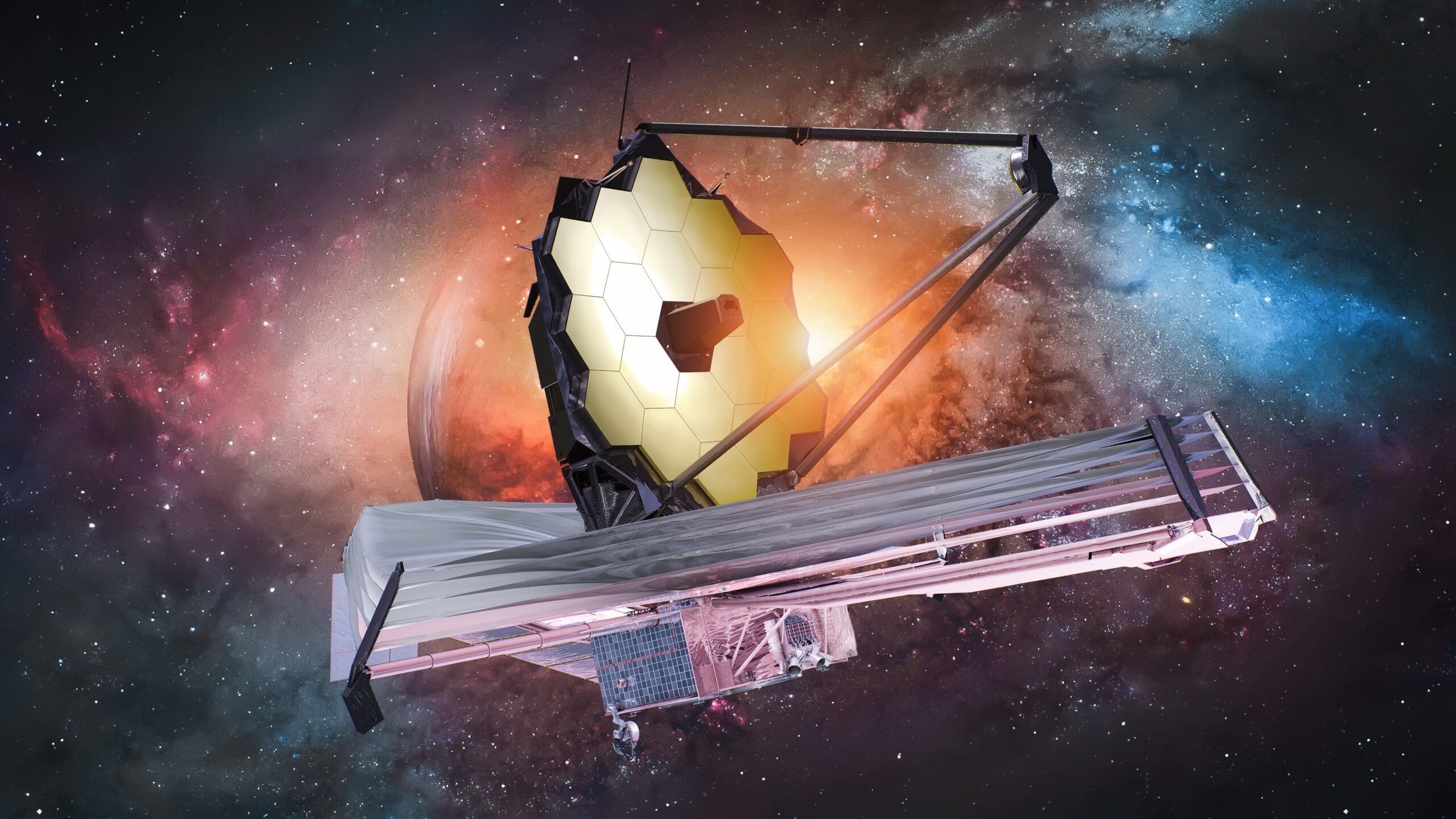
How does the James Webb Space Telescope use mathematics to reveal places and mom ents no human eye could ever see? Join Mike Menze l\, retired NASA Mission Systems Engineer for Webb \, for a behind-the-scenes look at the mathematica l ideas that make this extraordinary observatory w ork. Webb observes light that has traveled across vast distances for billions of years\, allowing a stronomers to study galaxies\, stars\, and planets as they appeared in the distant past. Making tha t possible requires remarkable precision: the geom etry of an 18-segment mirror\, the alignment of de licate instruments\, the measurement of infrared l ight\, and the modeling of distance\, motion\, tem perature\, and stability. Discover how mathematic s helps Webb gather faint signals from deep space and turn them into astonishing images and new disc overies.
\n \n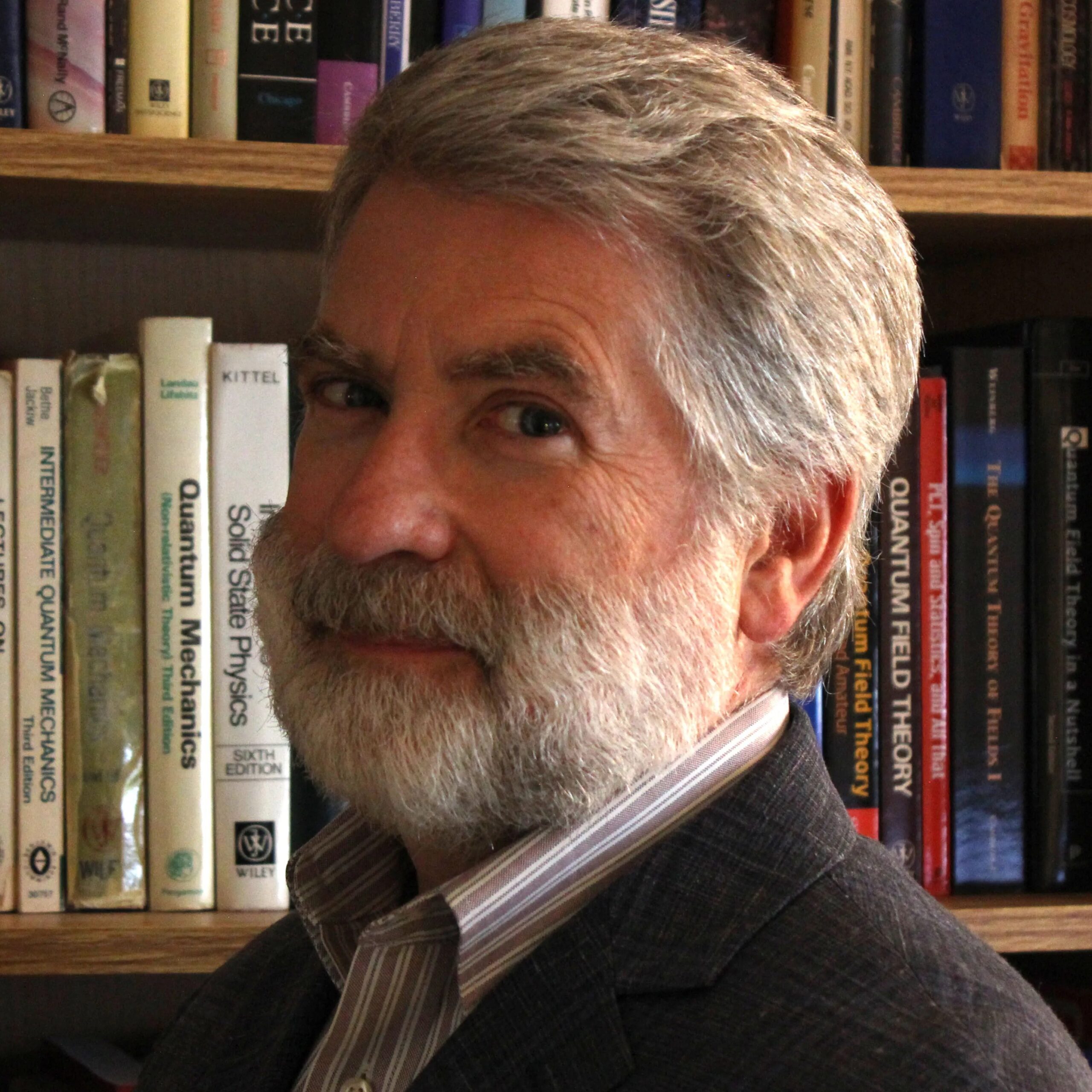 \n
\n Mike Menzel is the NASA Mission S ystems Engineer for the James Webb Space Telescope at NASA’s Goddard Space Flight Center. He has be en involved with Webb since its earliest planning stages\, beginning in 1998 with studies for what w as then called the Next Generation Space Telescope . As Mission Systems Engineer\, Menzel has overse en key systems engineering efforts including requi rements\, design\, integration\, validation\, and verification. Earlier in his career\, he worked o n the Hubble Space Telescope servicing missions an d held engineering roles at Lockheed Martin\, Orbi tal Sciences\, and RCA Astro. He holds degrees fr om MIT and Columbia University and is also an avid amateur astronomer.
\n \n_ ____________
\n \nAll regis tered children under 16 must be accompanied by a r egistered adult. MoMath reserves the right to ref use event admission children under 16 without an a dult chaperone.
DESCRIPTION:The Math Behind NASA’s Webb Space Telescope \n \n \n Featuring Mike Menzel\, retired NASA Mission Sy stems Engineer\n \n \n Saturday\, July 11\n \n 6:3 0 pm to 8:00 pm\n \n (in person)\n \n \n \n \n \n \n \n How does the James Webb Space Telescope use mathematics to reveal places and moments no human eye could ever see? Join Mike Menzel\, retired NA SA Mission Systems Engineer for Webb\, for a behin d-the-scenes look at the mathematical ideas that m ake this extraordinary observatory work. Webb obs erves light that has traveled across vast distance s for billions of years\, allowing astronomers to study galaxies\, stars\, and planets as they appea red in the distant past. Making that possible req uires remarkable precision: the geometry of an 18- segment mirror\, the alignment of delicate instrum ents\, the measurement of infrared light\, and the modeling of distance\, motion\, temperature\, and stability. Discover how mathematics helps Webb g ather faint signals from deep space and turn them into astonishing images and new discoveries.\n \n \n \n About the presenter\n \n \n \n Mike Menzel\n \n \n Mike Menzel is the NASA Mission Systems Eng ineer for the James Webb Space Telescope at NASA’s Goddard Space Flight Center. He has been involve d with Webb since its earliest planning stages\, b eginning in 1998 with studies for what was then ca lled the Next Generation Space Telescope. As Miss ion Systems Engineer\, Menzel has overseen key sys tems engineering efforts including requirements\, design\, integration\, validation\, and verificati on. Earlier in his career\, he worked on the Hubb le Space Telescope servicing missions and held eng ineering roles at Lockheed Martin\, Orbital Scienc es\, and RCA Astro. He holds degrees from MIT and Columbia University and is also an avid amateur a stronomer.\n \n \n \n _____________\n \n \n \n All registered children under 16 must be accompanied by a registered adult. MoMath reserves the right to refuse event admission children under 16 withou t an adult chaperone.\n \n CATEGORIES:Museum Event CALSCALE:GREGORIAN DTSTAMP;TZID=America/New_York:20260711T183000 DTSTART;TZID=America/New_York:20260711T183000 DTEND;TZID=America/New_York:20260711T200000 LOCATION:635 Sixth Avenue\n New York\, 10011\n United State s\n URL:https://momath.org/civicrm/event/info/?reset=1&id=12074 END:VEVENT END:VCALENDAR